In the Treasure Valley, sudden flooding or burst pipes can turn peaceful homes and thriving businesses into stressful scenes of standing water, warped floors, and mold growth. Water Damage Restoration Boise specialists understand that every minute counts when mitigating water intrusion and structural damage. Residents seeking reliable 24/7 water damage services in Boise should look for providers with fast emergency response, comprehensive mitigation techniques, and a track record of stellar local Boise reviews. By evaluating certification, insurance status, equipment, and real customer feedback, homeowners can make an informed decision in moments of crisis.
How Can Homeowners Find a Reputable 24/7 Water Damage Restoration Company in Boise?
Water Damage Restoration Boise is one of the most crucial services when property owners face basement flooding, sewage backup, or storm-related leaks in Ada County and beyond. To find a reputable 24/7 water damage restoration company, homeowners should start with a clear checklist: emergency response time, certifications held by technicians, insurance coverage, equipment capabilities, and verified local reviews. Companies like Master Restoration Idaho, 1-800 WATER DAMAGE of Boise, and Mr. Flood Repair have established prompt on-site times, often under two hours, for emergency water extraction and initial damage assessment.
Next, vetting credentials ensures technicians follow industry best practices. IICRC certified technicians Boise demonstrate expertise in water damage restoration, applied structural drying, and mold remediation. Checking the IICRC Certification Lookup tool confirms that technicians renew credentials and complete continuing education credits every four years. This level of professional development guarantees adherence to standards for water removal, structural drying, and preventing secondary damage such as mold outbreaks.
Equipment and methodology play a pivotal role in effective restoration. Companies utilizing advanced moisture detection meters, dehumidifiers, air movers, and infrared cameras can identify hidden pockets of moisture behind walls or flooring. During water extraction, industrial-grade truck-mounted vacuums and high-capacity pumps remove gallons per minute, limiting further damage and shortening drying times. Effective structural drying relies on strategically placed drying mats and low-grain refrigerant dehumidifiers to lower relative humidity below 40 percent, a key threshold to prevent mold growth.
Budget considerations should include transparent pricing and insurance billing practices. Reputable firms work directly with property insurance carriers, supplying accurate documentation for water damage claims and reducing the homeowner’s administrative burden. Checking policy requirements often reveals that insurers expect immediate action to stop the source of water, making a swift call to a professional essential.
Geographic proximity is another factor. Local providers in Boise, Meridian, Nampa, and Eagle know the area’s seasonal storm patterns, common flood zones, and municipal water system behaviors. They also maintain relationships with local suppliers for rapid equipment replacement and parts. Ultimately, triangulating response time, credential verification, equipment arsenal, transparent costs, and local expertise leads homeowners to select the best 24/7 water damage company for their urgent restoration needs.
Why Choose Water Damage Restoration Boise Services for Emergency Response?
Water Damage Restoration Boise experts recognize that emergencies rarely wait for business hours. Burst pipes, malfunctioning sump pumps, and intense rainfall can unleash torrents of water within minutes, threatening structural integrity and personal belongings. Residents should prioritize 24/7 availability, ensuring help arrives day or night, weekends or holidays. In Boise and surrounding areas like Canyon County, leading restoration companies guarantee emergency dispatch within two hours, helping to stem the tide of damage and prevent long-term issues such as wood rot or mold colonization.
Focused emergency response services include:
- Immediate damage assessment and water source shut-off recommendations.
- Rapid water extraction using truck-mounted pumps capable of removing hundreds of gallons per hour.
- Preliminary moisture mapping to identify hidden saturation in walls, ceilings, and subfloors.
By choosing a local provider well-versed in Boise’s plumbing infrastructure and flood-prone neighborhoods, homeowners tap into a network of municipal liaisons and subcontractors for electrical repairs, structural carpentry, and mold containment. Many top-rated Boise companies also partner with general contractors, ensuring a seamless transition from mitigation to reconstruction of affected areas.
Continued professional development is another mark of quality. IICRC certified technicians in Boise must uphold a code of ethics, complete continuing education credits, and demonstrate competency in specialized courses like Applied Structural Drying (ASD) and Applied Microbial Remediation Technician (AMRT). This rigorous training equips them to handle everything from category 1 clean water events to category 3 black water incidents, such as sewage backups and floodwater infiltration.
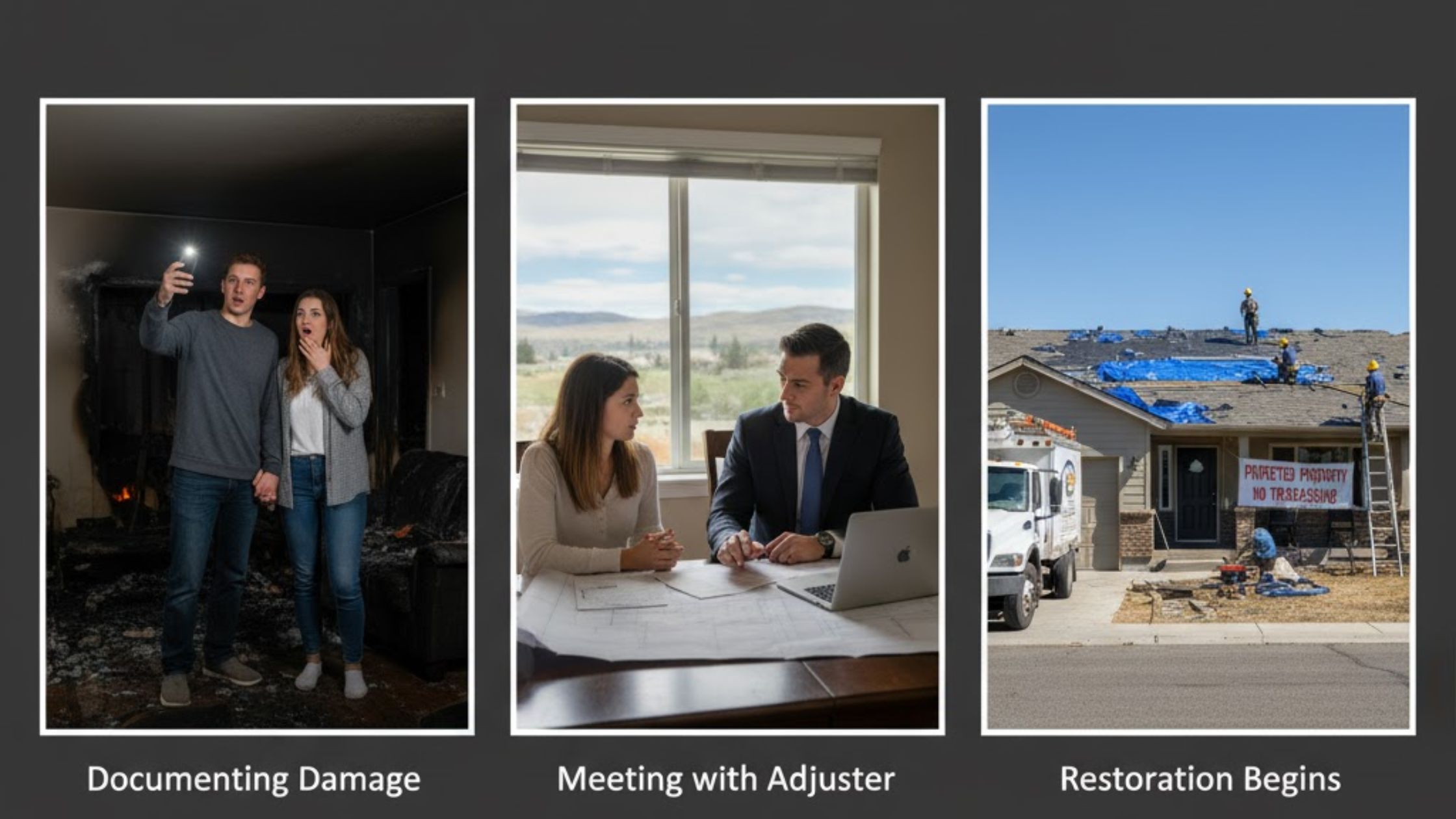
Finally, customer communication is integral to emergency response. The best restoration firms assign a dedicated project manager to each emergency call, offering real-time updates, clear timelines, and liaison with insurance adjusters. This structured approach reduces homeowner stress, ensures accurate documentation for claims, and accelerates the overall restoration timeline.
How Do IICRC Certified Technicians in Boise Enhance Restoration Quality?
Hiring IICRC certified technicians Boise brings proven standards, technical rigor, and a commitment to continuous learning. The Institute of Inspection, Cleaning and Restoration Certification (IICRC) offers a suite of worldwide-recognized certifications, each focusing on critical aspects of damage restoration. Boise homeowners benefit from technicians trained under these rigorous courses, ensuring comprehensive expertise in water damage, structural drying, fire and smoke restoration, odor control, and mold remediation.
| Certification | Focus Area | Key Competencies |
|---|---|---|
| Water Damage Restoration Technician (WRT) | Water extraction, mitigation, and health safety | Moisture detection, water removal techniques, preliminary drying |
| Applied Structural Drying Technician (ASD) | Structural drying and humidity control | Psychrometry, equipment setup, drying sequencing |
| Applied Microbial Remediation (AMRT) | Mold assessment, containment, and remediation | Mold inspection, containment protocols, safe remediation |
Each certification involves a mix of classroom instruction, hands-on skills demonstration, and a written exam. Technicians must renew credentials periodically by earning Continuing Education Credits (CECs), attending workshops on emerging technologies, and participating in industry summits. This cycle of learning keeps Boise restoration professionals current on advanced stripping and drying equipment, digital moisture mapping, and evolving health guidelines for mold remediation.
For homeowners, these credentials translate to a reliable, science-driven process:
Technicians begin with a thorough inspection, using infrared cameras and moisture meters to chart saturation levels in hidden cavities. They then deploy targeted drying systems—such as centrifugal air movers and low-grain refrigerant dehumidifiers—to rapidly reduce moisture content below critical thresholds.
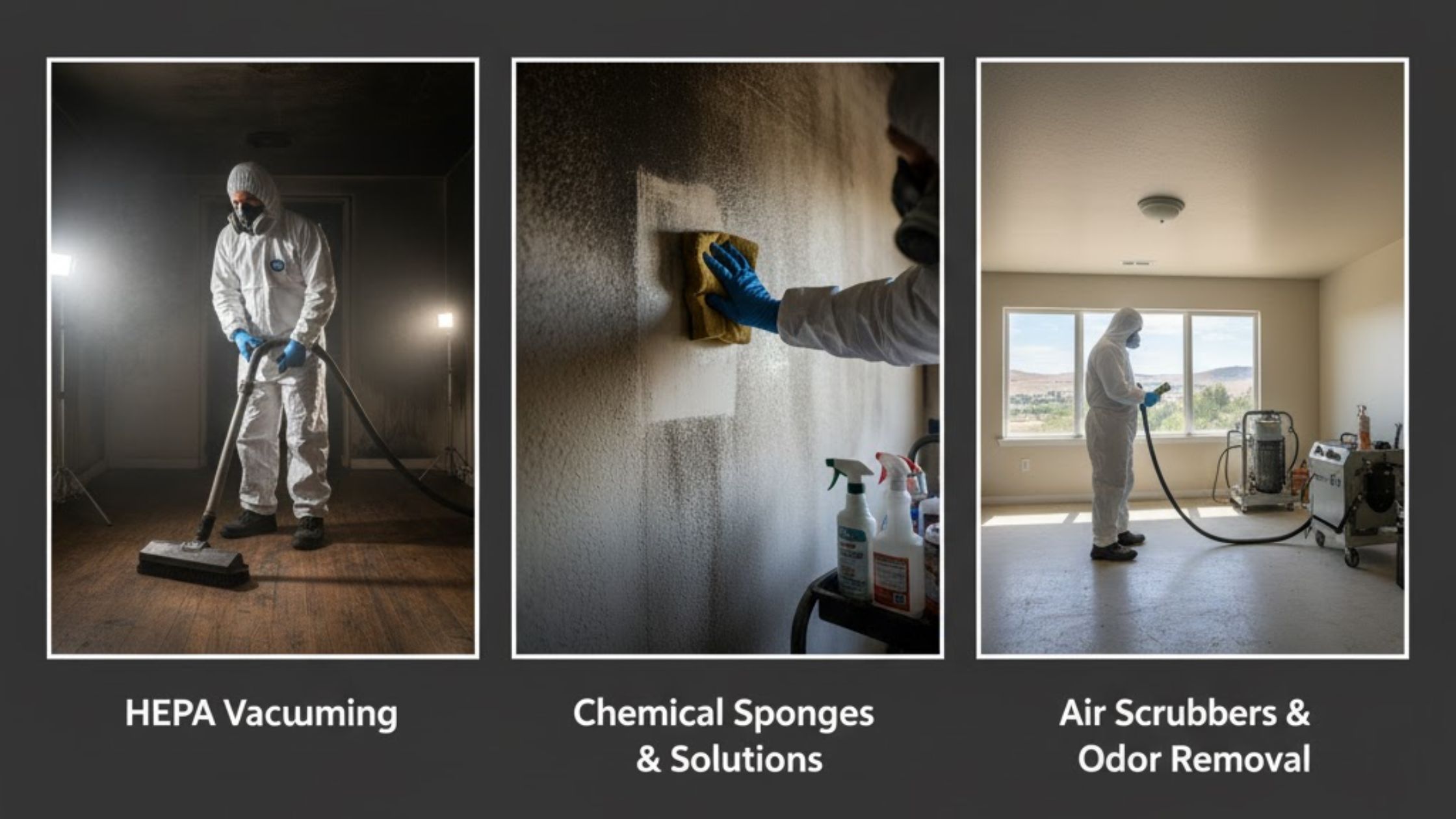
Post-drying, AMRT-trained professionals inspect for mold growth, apply EPA-approved biocides, and execute containment strategies using negative air pressure and HEPA filters. This structured protocol minimizes airborne spores and cross-contamination, safeguarding indoor air quality and preventing future outbreaks.
In Boise’s high desert climate—where temperature swings can influence drying times—certified technicians adjust drying goals and equipment settings dynamically. Their knowledge of local environmental conditions ensures that each property receives a tailored restoration plan, maximizing efficiency and minimizing disruption to daily life.
In the middle of every comprehensive plan, quality providers seamlessly integrate transparent communication. Homeowners often see internal portals or mobile apps updating them on drying progress, moisture reduction metrics, and next-step timelines. This level of detail fosters trust and aligns restoration actions with property insurance requirements.
What Does Licensed and Insured Restoration Look Like in Boise?
Licensed and insured restoration professionals provide a safety net for homeowners when property emergencies strike. A proper license signifies that a company has met municipal, state, or county regulations—often including proof of financial stability, a clean legal record, and compliance with environmental and health codes. In Boise, licensed restoration firms adhere to Ada County contracting rules, ensuring that mitigation and reconstruction efforts respect local building codes.
Insurance coverage goes hand in hand with licensing. Reputable companies carry:
- General liability insurance to cover accidental property damage or bodily injury.
- Pollution liability to address potential environmental hazards posed by sewage cleanup or chemical biocides.
- Workers’ compensation to protect technicians on job sites from injury.
Verifying licensing and insurance can involve checking the Idaho Division of Building Safety contractors database and requesting Certificate of Insurance (COI) documentation before work begins. Homeowners should also ask whether the company is bonded—guaranteeing that obligations are met even if the contractor is unable to complete the job.
Licensed and insured restoration services in Boise offer peace of mind through structured project management. Once on site, the team coordinates with sub-contractors—such as electricians, plumbers, and general contractors—to simplify timelines and ensure code-compliant repairs. This holistic approach aligns with property insurance stipulations, often reducing claims disputes by delivering documented evidence of licensed workmanship.
When contingency situations arise—like discovering asbestos during wall openings or needing emergency board-up after storm damage—licensed firms swiftly engage certified specialists, issue change orders, and update budgets with transparent approvals. This minimizes uninsured out-of-pocket expenses and ensures restoration stays on track without compromising safety or quality.
What Are the Key Steps in the Water Damage Restoration Process?
Understanding the water damage restoration process empowers homeowners to collaborate effectively with restoration professionals in Boise. A systematic approach typically unfolds across five crucial steps, each building on the last to return the property to its pre-loss condition:
- Initial Inspection and Damage Assessment Trained technicians conduct a comprehensive walkthrough, documenting water categories (clean, gray, or black water), inspecting structural components, and mapping moisture levels with infrared imaging and hygrometers.
- Water Extraction and Removal Employing truck-mounted pumps and portable extraction units, the team removes standing water from subflooring, walls, and carpeting. Rapid extraction mitigates secondary damage such as swelling, staining, and electrical hazards.
- Drying and Dehumidification A combination of centrifugal air movers, axial fans, and low-grain refrigerant dehumidifiers lowers indoor humidity and accelerates evaporation. Drying goals are set for specific building materials—drywall, wood framing, and subfloors—based on ASTM guidelines and the IICRC S500 standard.
- Cleaning, Sanitizing, and Deodorization Post-drying, technicians clean salvageable possessions using ultrasonic equipment, fogging machines deliver nano-scale disinfectants to neutralize microbes, and ozone treatments address persistent odors, ensuring indoor air quality.
- Restoration and Repair Once dry and sanitized, the team replaces removed materials—such as drywall, insulation, and baseboards—and completes carpentry, painting, and flooring installations. Final inspections confirm moisture content remains at safe levels.
Table: Common Causes of Water Damage vs. Recommended Immediate Actions
| Water Damage Cause | Common Signs | Immediate Homeowner Action |
|---|---|---|
| Burst Pipe | Sudden rush of water, pooling | Shut off main water valve, call pros |
| Leaking Appliance | Damp floors, puddles near units | Turn off appliance, unplug power |
| Heavy Rain Infiltration | Wet basement walls, pooling | Use sandbags, direct downspouts away |
| Sump Pump Failure | Basement flooding, no pump sound | Check power source, bail out water |
| Sewage Backup | Foul odor, contaminated water | Evacuate area, call professionals |
By adhering to these structured steps and collaborating with licensed, insured, and IICRC-certified technicians, homeowners achieve efficient water removal, thorough drying, and professional reconstruction that aligns with both safety standards and insurance requirements.
How to Evaluate Local Boise Reviews for Water Damage Companies?
Local Boise reviews offer invaluable insights into a company’s reliability, professionalism, and customer service. Platforms such as ConsumerAffairs, Google My Business, and the Better Business Bureau collect verified feedback from residents who have experienced restoration services firsthand. When parsing reviews, focus on these key indicators:
- Response Time Praise Comments highlighting arrival within an hour or two signal strong emergency readiness.
- Technician Professionalism Mentions of respectful, well-equipped technicians—often noting uniforms, identification badges, and clean vehicles—reflect reliable branding and trustworthiness.
- Quality of Communication Homeowners value regular updates, clear explanations of processes, and transparent billing practices.
- Satisfaction with Cleanup and Restoration Look for detailed accounts of successful mold remediation, odor removal, and structural rebuilds that matched or exceeded expectations.
- Insurance Liaison Effectiveness Positive feedback around claim facilitation and documentation support indicates a provider adept at reducing homeowner stress.
Reading through a mix of star ratings and narrative reviews helps identify patterns—both strengths and potential red flags. A company with predominantly five-star feedback and responses to negative reviews demonstrates accountability and commitment to customer satisfaction.
In one local testimonial, a Meridian homeowner praised a Boise-based team for preventing mold growth after a sump pump failure, noting that the technicians resolved hidden moisture behind the walls. Another Eagle resident highlighted seamless communication with the insurance adjuster, attributing stress reduction to the dedicated project manager assigned by the restoration firm.
By cross-referencing multiple sources—such as Yelp, Google, and specialized forums—prospective clients can build a comprehensive picture of each company’s track record. Verified customer feedback, combined with credential checks, equips Boise property owners to select the most reputable 24/7 water damage restoration partner.
Conclusion
Selecting a reputable 24/7 water damage restoration company in Boise hinges on a blend of thorough vetting, credentials verification, and an honest appraisal of local Boise reviews. Water Damage Restoration Boise services excel when they combine rapid emergency response, IICRC certified technicians, licensed and insured operations, and advanced equipment tailored to flood recovery, structural drying, and mold remediation. Evaluating key steps—from initial damage assessment through final restoration—alongside real homeowner testimonials ensures that property owners receive a coordinated, efficient recovery plan that aligns with insurance protocols.
When disaster strikes, turning to a trusted local expert like Sawtooth Water Restoration guarantees round-the-clock support, transparent project management, and top-tier craftsmanship. With years of dedicated service across Ada County, Canyon County, Meridian, Nampa, and Eagle, Sawtooth Water Restoration stands ready to restore peace of mind one home at a time.
For immediate assistance or to schedule an inspection, please don’t hesitate to Contact us.
Frequently Asked Questions
How quickly should I call a water damage restoration company after noticing water intrusion?
Immediate action is critical. Most insurance policies require prompt mitigation to prevent secondary damage, such as mold growth or structural decay. Ideally, homeowners should contact a reputable restoration company within one to two hours of discovering the issue.
Can a restoration company handle both water extraction and mold remediation?
Yes. Many full-service firms employ IICRC certified technicians trained in both water damage restoration and applied microbial remediation. This integrated approach ensures moisture removal, thorough drying, and mold containment under one roof.
Will my homeowner’s insurance cover the full cost of water damage restoration?
Coverage varies by policy. Licensed and insured restoration companies typically work directly with carriers to streamline claims. Policyholders should review deductibles, covered perils, and prompt reporting requirements to maximize claim approval.
What distinguishes mitigation from remediation in water damage services?
Mitigation focuses on stopping ongoing damage—shutting off water, extracting standing water, and reducing humidity. Remediation involves cleaning, sanitizing, and reconstructing affected areas to restore them to pre-loss condition.
How can I verify that a restoration firm is licensed and insured in Boise?
Ask the provider for its Idaho contractor’s license number and Certificate of Insurance (COI). Cross-check licensing on the Idaho Division of Building Safety website and confirm policy details directly with the insurer to ensure adequate liability and workers’ compensation coverage.