In the aftermath of a fire, homeowners in Boise face the daunting challenge of deciding between targeted fire damage cleaning and a full-scale restoration. Both services aim to bring a property back to safe, functional condition, but they differ significantly in scope, methodology, and cost. Understanding these distinctions helps residents of the Treasure Valley make informed choices that protect their investment and their family’s well-being.
Understanding Fire Damage: More Than Just Flames
Fires leave behind more than charred materials. The heat, smoke, and byproducts of combustion can penetrate deeply into a structure, attacking building materials and household contents. While visible burn marks are the most obvious signs, invisible soot residues and lingering odors often pose the greatest long-term threats.
Smoke differs from flame damage in its chemistry and reach. Flames consume and disfigure; smoke carries microscopic particles of carbon, tar and chemicals. These particles embed themselves in porous surfaces—from drywall to upholstery—and can cause corrosion, health risks, and persistent odors.
Water used to extinguish fires adds another layer of complexity. Lingering moisture promotes mold growth and can weaken structural elements if not removed promptly. Effective recovery strategies must address fire, smoke and water damage in concert to ensure a home returns to a truly safe condition.
Comparing Smoke vs Fire Damage
| Feature | Fire Damage | Smoke Damage |
|---|---|---|
| Visibility | Obvious charred, melted or warped | Often hidden, visible as soot traces |
| Material Impact | Structural warping and loss | Corrosion and staining over time |
| Odor | Burnt and acrid | Lingering, pungent and pervasive |
| Health Risk | Burns and structural collapse | Respiratory irritation, carcinogens |
| Cleanup Method | Demolition and rebuild | Specialized cleaning and deodorization |
Fire Damage Cleaning vs Full Restoration: Key Differences
At its core, fire damage cleaning focuses on removing smoke, soot and minor char residues from surfaces and personal items. It typically includes surface cleaning, deodorization techniques like thermal fogging or ozone treatment, and limited repair of lightly damaged areas. This service is designed for fires that caused low to moderate damage, where the primary concern is odor and cosmetic appearance.
In contrast, full restoration encompasses a comprehensive overhaul of damaged zones. Beyond cleaning, it involves structural repairs or replacements: installing new drywall, rebuilding framing, replacing flooring, and addressing hidden water and mold issues. Full restoration rebuilds the structural integrity of a home, returning it to its pre-loss condition or better.
Cleanup vs Repair: A Side-by-Side Comparison
| Aspect | Cleanup Only | Full Restoration |
|---|---|---|
| Scope | Soot removal, deodorization, minor touch-ups | Demolition, structural rebuild, full renovations |
| Timeframe | Often days to a week | Several weeks to months |
| Cost | Lower upfront cost | Higher investment for complete rebuild |
| Structural Repairs | Minimal, cosmetic only | Comprehensive, handling safety and code compliance |
| Insurance Processing | Simpler claims, often under content coverage | Complex claims involving building coverage |
Step-by-Step Fire Damage Cleaning Process

Initial Assessment and Safety Measures
A qualified technician inspects the site to gauge smoke penetration, soot coverage, and any remaining hazards. Moisture meters and infrared cameras detect hidden wet zones. Before cleaning begins, contaminated HVAC filters are removed to prevent the redistribution of soot particles throughout the home.
fire damage repair Boise specialists stress that safety—both structural and health-wise—is critical before any cleaning starts. Technicians don appropriate personal protective equipment to shield against carcinogenic soot and corrosive residues.
Soot and Smoke Residue Removal
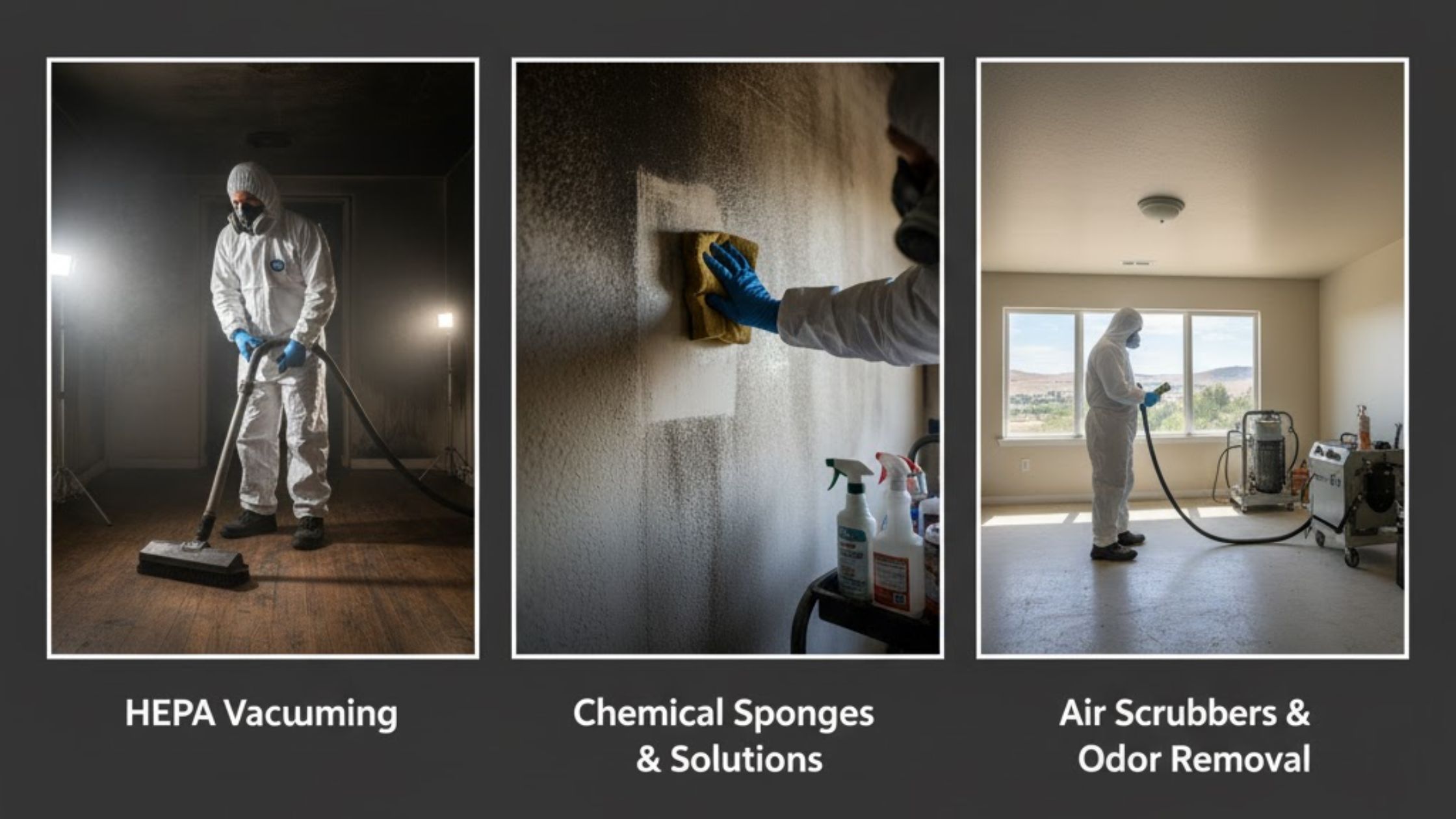
Light, dry soot can often be vacuumed using HEPA-filtered equipment. Heavier, oily soot requires specialized dry-cleaning sponges or wet cleaning with alkaline detergents that break down residues without harming painted or polished surfaces.
Thermal fogging introduces a deodorizing fog into the property, neutralizing odor molecules at their source. Ozone generators may also be used, though homes must be vacated during treatment to avoid harmful ozone inhalation.
Content Cleaning and Pack-Out
Personal belongings—furniture, draperies, electronics and heirlooms—are inventoried, photographed, and, when necessary, transported to a secure facility. Ultrasonic cleaning tanks can remove soot from metal, glass and ceramic items, while specialized fabric cleaning methods restore textiles.
Sawtooth Water Restoration offers pack-out services that protect valuables from further damage and empower homeowners to select which items can be restored versus those that require replacement.
Final Inspection and Clearance
After cleaning, technicians conduct post-treatment air quality tests and visual inspections. Any remaining odors are targeted with additional deodorization cycles. A clearance certificate may be provided, confirming that soot levels and air quality meet safety standards for reoccupancy.
Full Fire Damage Restoration: Comprehensive Rebuild and Repair

Controlled Demolition and Debris Removal
In areas where structural components are weakened or charred beyond cleaning, controlled demolition removes unsafe materials. Debris is sorted for disposal or recycling. This phase exposes underlying framing, wiring and plumbing for detailed inspection.
Advanced Reconstruction Services in Boise follow established building codes and incorporate upgraded materials—such as fire-resistant drywall and insulation—enhancing future fire resilience.
Structural Repairs and Framing
Certified carpenters and contractors rebuild compromised studs, joists and beams. Any warped metal supports or conduits are replaced. Precision alignment and nailing patterns ensure load-bearing integrity, while new subflooring addresses both level and moisture concerns.
Integrated structural drying prevents hidden moisture from sparking mold, which can compromise air quality and reduce structural life span.
Drywall, Painting and Finishing
New drywall is installed, taped and textured to match existing patterns. Primer and specialized sealants encapsulate any residual odors before finish coats of paint are applied. Attention to color matching and sheen ensures the repair blends seamlessly with unaffected areas.
Trim work, baseboards and window casings are restored or replaced. High-grade wood species and mold-resistant composite materials are recommended for superior durability in humid Boise seasons.
Flooring Replacement and Carpeting
Burnt or smoked flooring materials—hardwood, laminate or carpet—are removed. New underlayment and vapor barriers support subfloors against future water intrusion. Luxury vinyl plank or engineered hardwood are popular in fire-restored homes for their moisture resistance and ease of maintenance.
Insurance Considerations and Choosing the Right Service

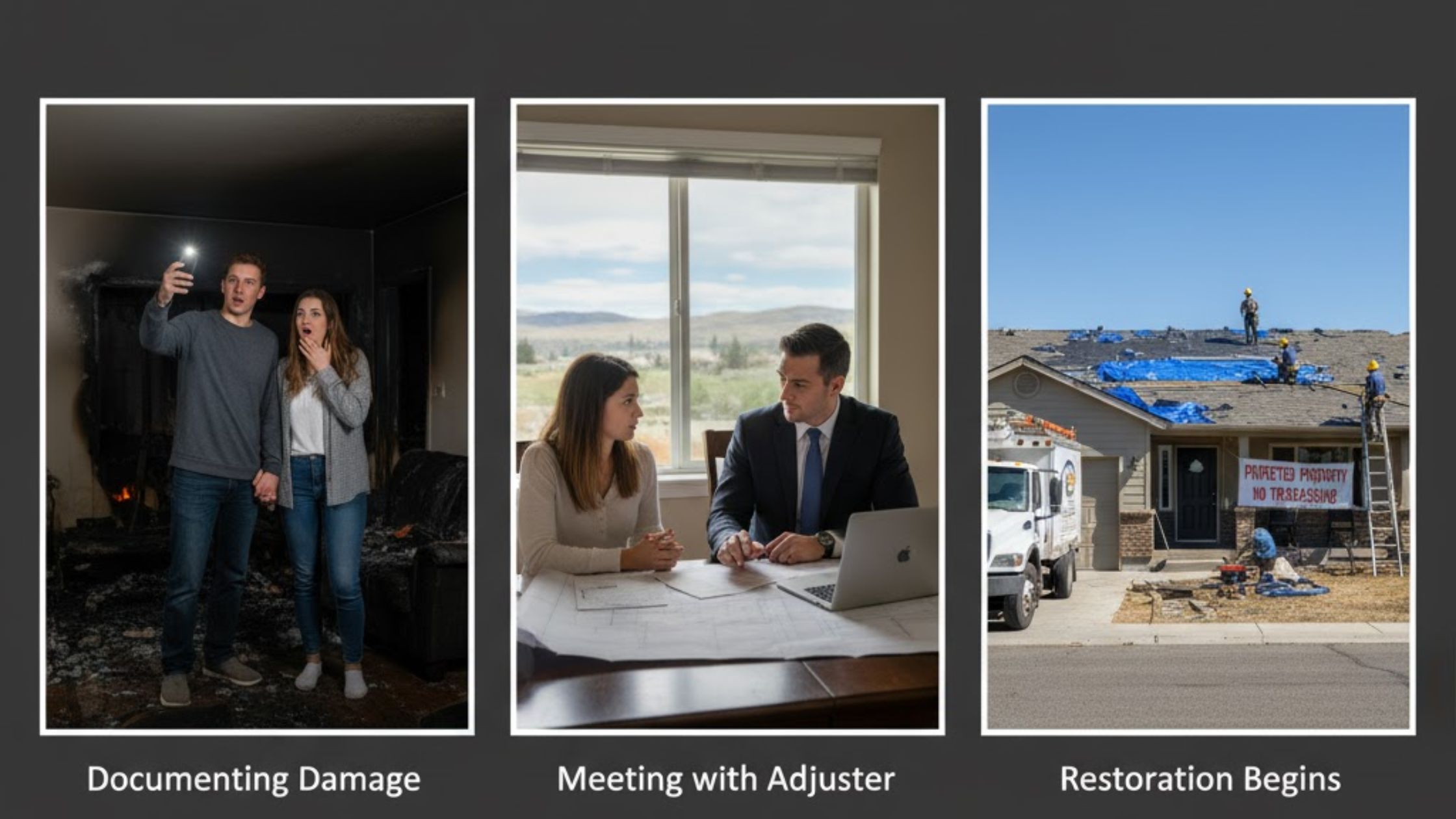
Filing a claim for fire damage insurance coverage boise requires accurate documentation of both visible and hidden damage. Detailed photo logs, moisture readings, and third-party air quality reports strengthen claims and help prevent underpayment. Restoration contractors often liaise directly with adjusters, providing itemized estimates that separate cleaning from rebuild costs.
Policyholders should verify coverage limits for content, building and additional living expenses. Cleanup and deodorization may fall under personal property coverage, while full structural repair typically taps into dwelling coverage.
Every homeowner’s needs are unique. Minor incidents—such as a stovetop flare-up—may only demand targeted cleaning. Major events involving roof damage or extensive water intrusion warrant full restoration to ensure safety over the long term.
When to Opt for Cleaning Only and When to Choose Full Restoration
If walls and ceilings show no structural warping or deep char lines, and smoke deposits are primarily cosmetic, cleaning services can deliver a secure, refreshed living space. This approach is faster and more budget-friendly.
In contrast, when load-bearing beams, roof trusses or foundational elements are compromised, a full restoration is non-negotiable. Attempting to conceal or clean over such damage risks long-term safety and escalating costs—particularly if mold or dry rot sets in.
When to Clean vs Restore
| Situation | Recommended Service |
|---|---|
| Light surface soot, no structural damage | Fire Damage Cleaning |
| Persistent odors, HVAC contamination | Cleaning + HVAC service |
| Charred framing or warped structural members | Full Restoration |
| Water damage from firefighting efforts | Full Restoration |
| Minimal cosmetic discoloration | Cleaning Only |
Final Words
In Boise’s varied climate—characterized by dry summers and occasional high humidity—both smoke and water residues present unique restoration challenges. Whether you need targeted Fire Damage Repair in Boise Homes or the comprehensive rebuilding expertise that restores pre-loss safety and comfort, partnering with a certified team is crucial.
After the smoke clears, knowing What to do after house fire boise can guide homeowners through immediate safety steps—from securing the property to coordinating with insurance and restoration professionals.
For residents in need of a reliable, full-service recovery partner, Reconstruction Services in Boise deliver end-to-end rebuilds, while targeted cleaning tackles less severe incidents.
No matter the scale of damage, understanding your Fire damage insurance coverage boise policy helps set realistic expectations and expedite your return to normalcy.
When deep cleaning gives way to structural concerns, nothing substitutes a holistic approach that addresses every damaged element. From controlled demolition to finishing touches, a full restoration preserves both property and peace of mind.
Frequently Asked Questions
1. What does fire damage cleaning include?
Fire damage cleaning involves soot removal, surface cleaning, deodorization (thermal fogging or ozone treatment), HVAC filter replacement, and limited cosmetic repairs. It targets visible and odor-causing residues without structural rebuilds.
2. How long does full fire damage restoration take?
Full restoration can span several weeks to months, depending on damage extent. Structural repairs, drying time, drywall finishing and flooring installation each require scheduling windows. Timelines vary by project complexity and permit requirements.
3. Will homeowners insurance cover fire damage cleaning?
Most homeowner policies include personal property and dwelling coverage. Cleaning and deodorization of contents often fall under contents coverage, while structural rebuild costs tap into dwelling coverage. Policyholders should review their limits and deductibles carefully.
4. Can soot and smoke odors return after cleaning?
Improper cleaning or hidden residue can cause odors to reappear, especially in high-humidity conditions. Professional techniques—HEPA vacuums, alkaline detergents, thermal fogging—paired with multiple deodorization cycles prevent re-emission of foul smells.
5. What certifications should I look for in a fire restoration company?
Seek IICRC-certified technicians with fire and smoke damage credentials. Membership in the National Fire Protection Association (NFPA) and local licensing for general contracting and mold remediation further ensure competency and adherence to safety standards.