When the flames are extinguished and the soot has settled, the real work begins. Smoke leaves behind chemical residues, odors, and invisible contamination that can damage surfaces, electronics, and indoor air quality. For homeowners facing the aftermath of a blaze, one of the most pressing concerns is how do professionals clean smoke and soot after a fire in Boise? This is a crucial part of the broader process of Fire Damage Restoration in Boise, where experts remove toxins, deodorize your property, and restore your living environment safely. In this article, you will discover the complete cleaning process, the science behind professional smoke removal, the challenges unique to Boise homes, and how Sawtooth Water Restoration leads the way in providing expert, local restoration services.
What steps do experts follow to remove smoke and soot contamination?
Professionals approach smoke and soot cleanup systematically, following a multi-stage process to ensure thorough remediation. Here is how they typically proceed in Boise homes.
Safety assessment and containment
First, professionals evaluate the property to determine which areas are unsafe to enter or salvage. They wear full protective gear—respirators, gloves, goggles—and set up containment zones with plastic sheeting or negative pressure to prevent soot from spreading to unaffected areas. They ventilate affected rooms where possible to flush out airborne particles.
Dry removal of loose soot and debris
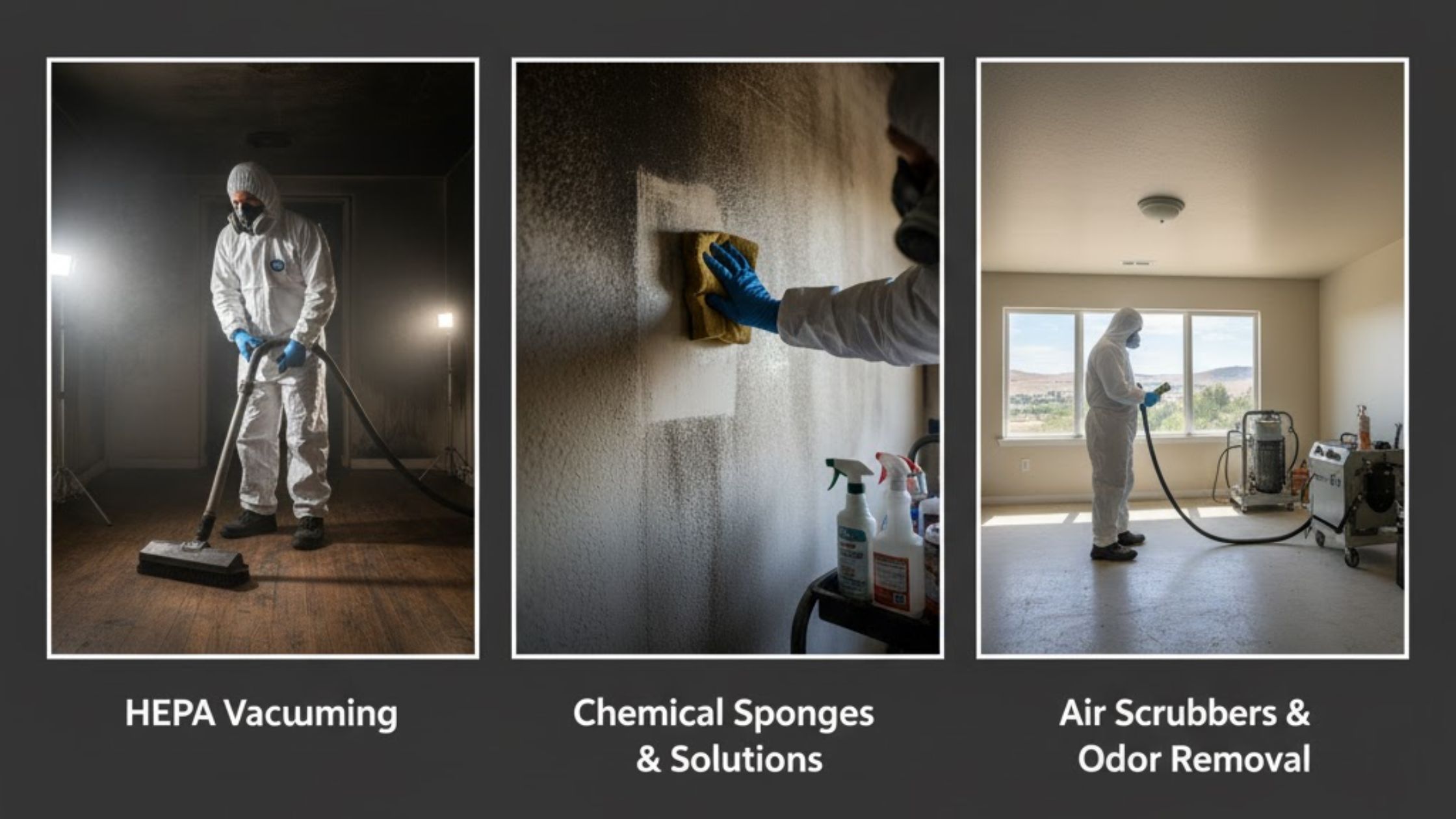
Before applying any moisture, technicians remove loose soot and ash using HEPA vacuuming, soft brushes, compressed air, or blowers. This step ensures you do not smear or embed the soot into surfaces. Specialized chemical sponges also lift dry soot effectively from walls and ceilings.
Wet cleaning with chemical agents
After dry cleaning, professionals apply appropriate cleaning solutions depending on soot type, protein fires, grease fires, or standard smoke. They use controlled wet cleaning: mild detergents, degreasers, or alkaline cleaners. Surfaces are washed carefully by hand using low moisture to prevent over-wetting. Technicians rinse and neutralize residues in multiple passes.
Odor removal and deodorization
Smoke odor can linger in walls, carpets, ductwork, and insulation. To eliminate it at source, experts use tools such as thermal foggers, ozone machines, hydroxyl generators, activated carbon filters, or air scrubbers. Sometimes surfaces are sealed with odor sealing primers before repainting to lock residual odor molecules.
HVAC, duct, and air quality restoration
Since smoke travels via air systems, professionals inspect, clean, and sanitize HVAC and ductwork. They remove soot from vents and replace filters. High-capacity air scrubbers with HEPA filtration run to capture lingering airborne particulates and help clear indoor air.
Final inspection, sealing, and finishing steps
Once surfaces are cleaned and odors neutralized, the restoration team inspects for missed spots or recontamination. If needed, they seal or prime surfaces before repainting. Finally, they deliver a smoke-free home, guiding homeowners through safe reentry and restoration.
Each step is critical. Skipping or rushing any part can lead to lingering odor, damage, or health risks.
Why is professional smoke and soot cleaning essential for Boise homes?
Many homeowners underestimate the damage of smoke and soot, believing they can just scrub away the mess. But professional cleanup is crucial for several reasons:
- Soot is acidic and corrosive; it can degrade metals, electronics, glass, and painted surfaces over time.
- Smoke residue can penetrate porous materials like drywall, insulation, textiles, and wood, embedding deeply and causing long-term odor or staining.
- Attempting amateur cleanup often smears soot and pushes residue deeper, making the damage worse.
- Proper equipment (HEPA vacuums, air scrubbers, foggers) and expertise are needed to fully restore air quality.
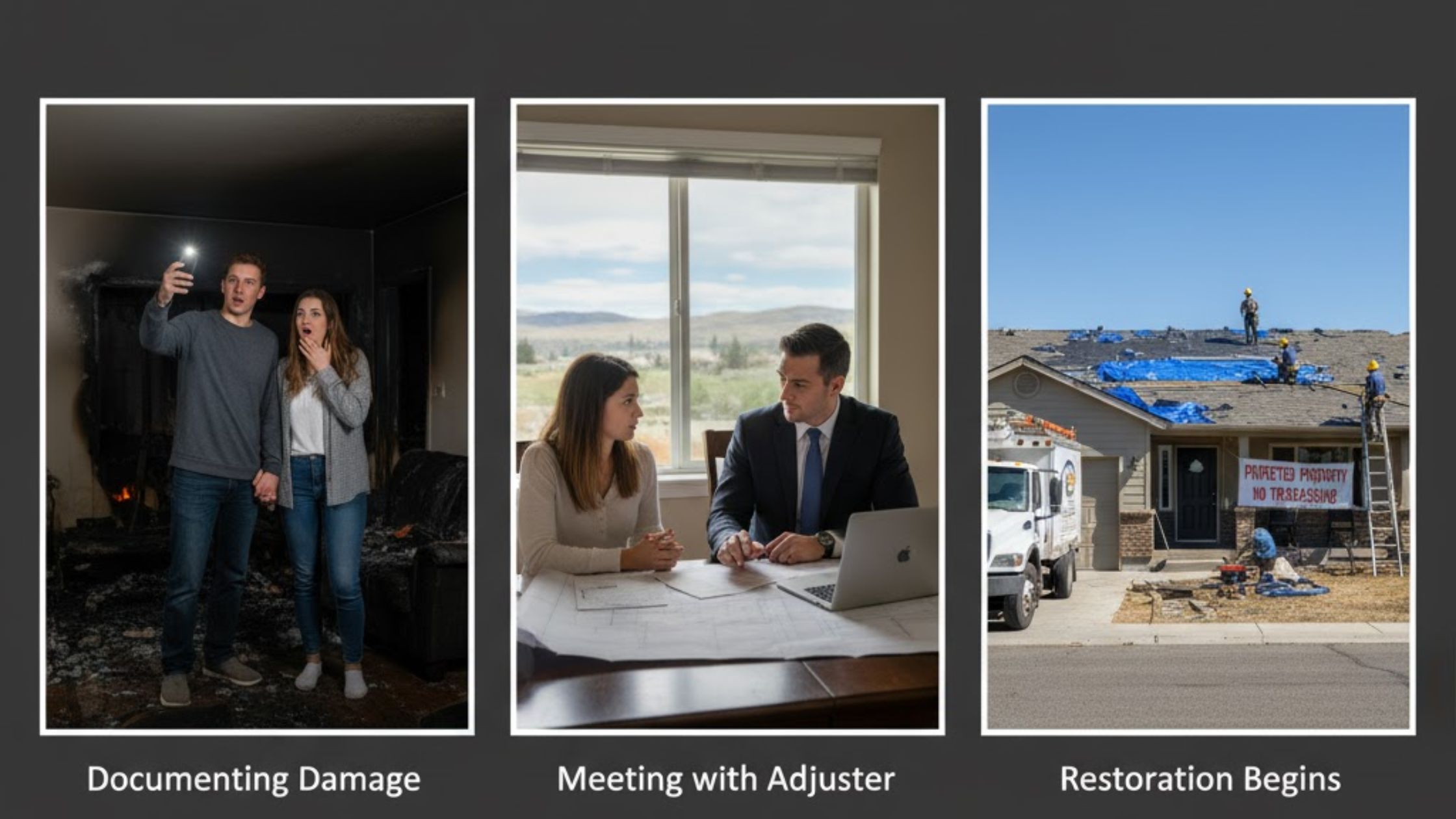
- Insurance often requires professional remediation documentation to approve claims.
In Boise’s climate, with seasonal temperature shifts and dry air—smoke cleanup must account for moisture control, air circulation, and regional building materials. A local specialist like Sawtooth Water Restoration knows how to tailor these methods to Boise homes.
Common types of soot and how they affect cleanup
Smoke and soot vary depending on what burned. Professionals categorize soot by type because each behaves differently and demands a distinct approach.
- Dry smoke soot: from fast burning materials like paper, leaves a light, powdery residue. Easier to vacuum and sponge.
- Wet smoke soot: from slow smoldering fires involving plastics or synthetic materials. It’s sticky, greasy, and harder to remove.
- Protein soot: often from kitchen fires where protein residues adhere to surfaces and can discolor walls. Requires special cleaning agents.
- Fuel or petroleum soot: very aggressive and oily, often from gasoline or chemical combustion. This soot is hard to clean and often requires deep cleaning or replacement of materials.
By properly identifying soot type during inspection, professionals choose the correct cleaning protocols, reducing time and preventing damage.
Challenges in smoke and soot cleaning specific to Boise properties
Cleaning smoke and soot in Boise homes presents unique obstacles that professionals must plan for:
- High desert climate: low humidity and temperature swings can accelerate off-gassing or shrinkage of building materials.
- Construction materials: many Boise homes use drywall, porous insulation, wood framing, and stucco exteriors. Smoke can penetrate deeply into drywall and behind finishes.
- HVAC usage: central heating and cooling systems circulate air throughout the home, making duct cleanup and air purification essential.
- Winter conditions: in colder months, keeping humidity balanced during wet cleaning is tricky. Professionals must avoid over-moistening while thoroughly cleaning.
- Permit and local code compliance: after heavy smoke damage, surfaces may need to be replaced or sealed, and Boise’s building codes and inspections come into play.
Local knowledge is critical. Sawtooth Water Restoration uses Boise-specific protocols to avoid common recontamination or structural issues.
What tools and technology do professionals use during smoke and soot cleanup?
Professionals rely on specialized equipment that homeowners rarely have access to. Some of the key tools include:
- HEPA vacuum systems with fine filters to capture soot particles without recontamination.
- Chemical sponges and dry cleaning sponges to lift soot from walls and delicate surfaces.
- Thermal foggers to deliver deodorizing agents into porous materials and trapped spaces.
- Ozone machines and hydroxyl generators to oxidize and neutralize odor molecules.
- Negative air machines and air scrubbers with HEPA filters to continuously clean air during remediation.
- Moisture meters and infrared cameras to detect unseen moisture or hidden soot behind walls.
- Industrial grade cleaning agents and degreasers formulated for different soot types.
- Protective enclosures and containment systems to isolate affected areas from uncontaminated zones.
Using these tools in correct sequence and balance is crucial for effective cleanup without collateral damage.
How long does smoke and soot cleanup typically take?
The duration of professional smoke and soot cleaning depends on many variables: the size of damage, smoke severity, surfaces affected, and how deeply soot penetrated. For a moderately affected single-family home in Boise:
- Inspection and setup: within hours to a day
- Dry cleaning phase: 1 to 2 days
- Wet cleaning and chemical treatments: 1 to 3 days
- Odor removal and air purification: 1 to 2 days
- Final inspection and finishing: half a day to a day
In total, you may expect 3 to 7 days for full smoke and soot remediation before reconstruction begins. More severe damage may extend into 10 or more days. Teams working concurrently on content and structural repair may overlap phases to shorten total time.
Sawtooth Water Restoration plans carefully to overlap cleanup and rebuild phases when possible, to accelerate your home’s return.
What homeowners can do before professionals arrive
You can help the cleanup process by doing a few preparatory tasks—without risking safety or contaminating the site:
- Do not touch soot or try to wipe surfaces—this spreads contamination.
- Avoid turning on fans, HVAC systems, or blowing air before duct cleanup.
- Open windows if it is safe and not raining to allow passive ventilation.
- Photograph damage and soot patterns for insurance records.
- Remove clean, undamaged items from affected zones.
- Keep children, pets, and guests away from the damaged areas to limit exposure.
These steps help professionals minimize cross-contamination and work faster once they arrive.
FAQ: What people often ask about smoke and soot cleaning in Boise
Q1: Can smoke odor ever be fully removed?
Yes, with proper processes (fogging, ozone, sealing) odor can be fully neutralized in most cases.
Q2: Can I clean soot myself?
Minor surface soot might be manageable, but deeper contamination and odor require professional equipment and techniques.
Q3: Does insurance cover smoke cleanup?
Typically yes, within your fire damage policy, but you will need professional documentation and scopes.
Q4: Will electronics and appliances be safe after cleaning?
If cleaned properly and tested, many electronics can be restored. But heavy smoke exposure may cause internal damage or corrosion.
Q5: Is repainting always necessary after smoke cleanup?
Sometimes. After cleaning, some surfaces still absorb residual odor or staining. A sealing primer or repaint may be needed as the final step.
Why Sawtooth Water Restoration is your best bet for smoke and soot cleanup in Boise
At Sawtooth Water Restoration, we specialize in handling the toughest smoke and soot challenges in Boise homes. From initial assessment through final deodorization, our certified teams use state-of-the-art equipment and Boise-tailored protocols to fully restore indoor air quality and surfaces. We coordinate cleanup with reconstruction, insurance claims, and final finishing work. You can rely on us to deliver genuine Fire Damage Restoration in Boise, including superior smoke and soot remediation. Reach out through our Contact us page for immediate help and professional support.