Water damage can transform a serene Boise residence into a crisis that demands swift, expert intervention. Water Damage Restoration Boise experts understand that every minute counts once moisture breaches walls, floors, or ceilings. A methodical, transparent approach ensures structural integrity, mold prevention, and the safe return of homeowners to their living space. This guide unpacks every phase of professional restoration—from initial assessment to final walk-through—so Boise residents know exactly what to expect when disaster strikes.
What steps are involved in the water damage restoration process for Boise homes?
Water damage restoration follows a clear, industry-standard sequence of actions designed to halt deterioration and rebuild affected areas. Initially, a qualified technician arrives onsite to evaluate the scope of water intrusion, identifying sources and categorizing the contamination level. Next, specialized extraction tools rapidly remove standing water to prevent further absorption into materials. Following extraction, precision drying techniques target hidden moisture pockets, while structural drying timelines guide the safe transition back to normal occupancy. Finally, restoration craftsmen repair, replace, and sanitize to return homes to pre-loss condition.
Why prompt damage assessment matters in Boise water emergencies
A thorough damage assessment sets the foundation for an effective restoration plan. Trained professionals use moisture meters, infrared cameras, and hygrometers to map water penetration behind drywall, under flooring, and within framing cavities. By classifying water as clean, gray, or black according to industry guidelines, technicians determine necessary safety protocols and equipment. Early identification of contamination sources—like burst pipes, appliance leaks, or seasonal runoff—enables targeted mitigation strategies that minimize long-term risks such as mold growth and structural weakening.
Water Damage Restoration Boise: A community overview
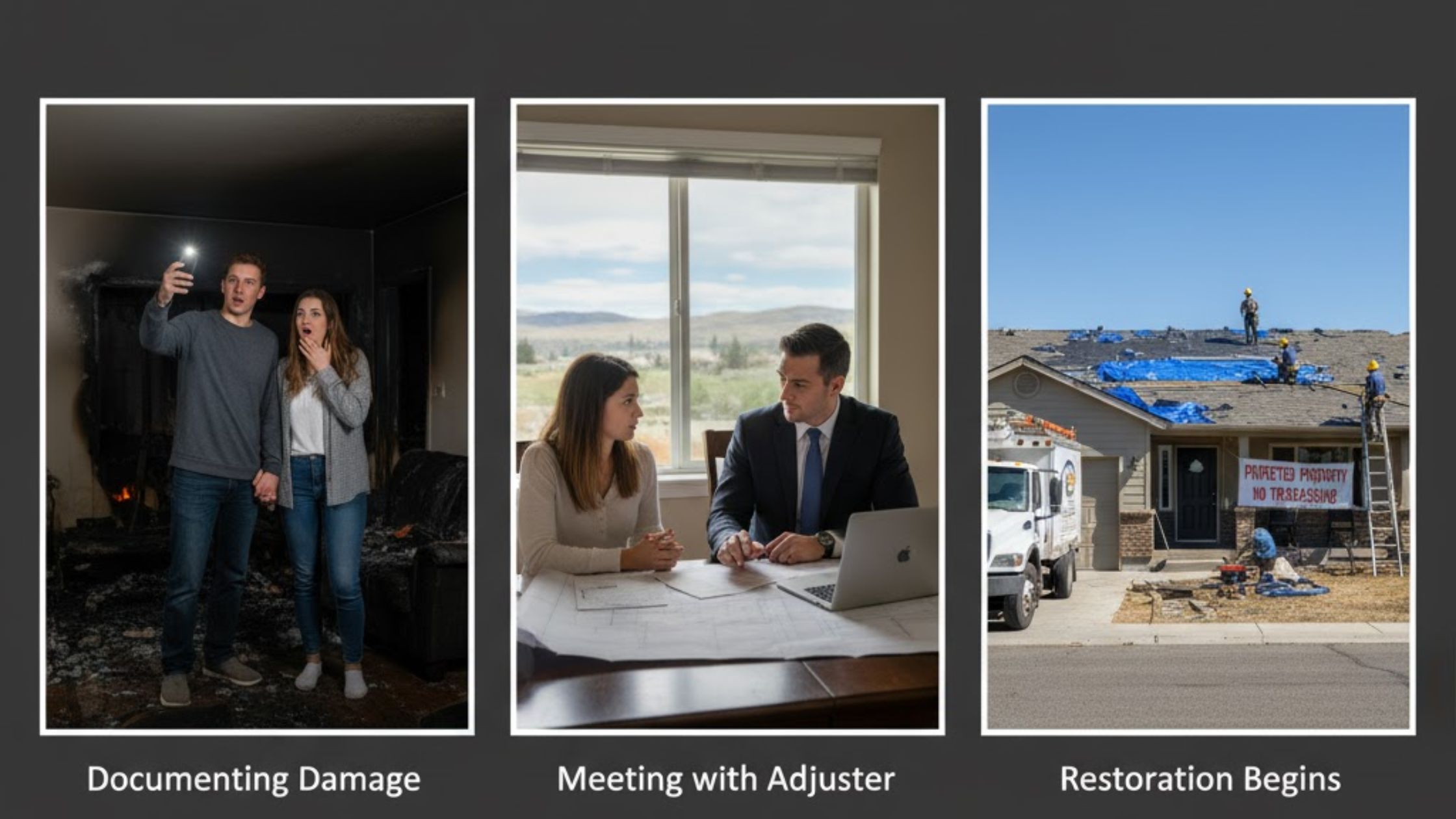
In Boise’s semi-arid climate, sudden snowmelt and intense rainfall can overwhelm drainage systems and compromise basements or crawlspaces. Homeowners who partner with local specialists avoid generic, one-size-fits-all solutions and benefit from crews who know Treasure Valley architecture and weather patterns. Technicians coordinate with insurance adjusters to document damage, support claims, and confirm that every step—from emergency board-up to final repairs—aligns with policy requirements. This comprehensive collaboration fast-tracks recovery and ensures families spend less time displaced.
What role does water extraction and drying Boise services play in recovery?
Once assessment is complete, extraction and drying take center stage. Powerful truck-mounted pumps and portable vacuums remove hundreds of gallons of water per hour, drastically reducing saturation levels in carpets, hardwood, and structural cavities. Simultaneously, high-velocity air movers circulate warm, dehumidified air to draw moisture out of materials. Technicians monitor humidity and temperature daily, adjusting dehumidifier output and fan placement to adhere to the structural drying timeline. This precision step prevents secondary damage and lays the groundwork for safe restoration.
Core stages of professional restoration process after extraction
Successful restoration hinges on a multi-step professional restoration process that goes beyond simple cleanup. After extraction and preliminary drying:
- Structural Drying Industrial dehumidifiers and air movers remain in place until moisture readings fall within safe thresholds.
- Content Protection and Cleaning Personal belongings—furniture, textiles, electronics—are inventoried, cleaned, and stored in a climate-controlled environment.
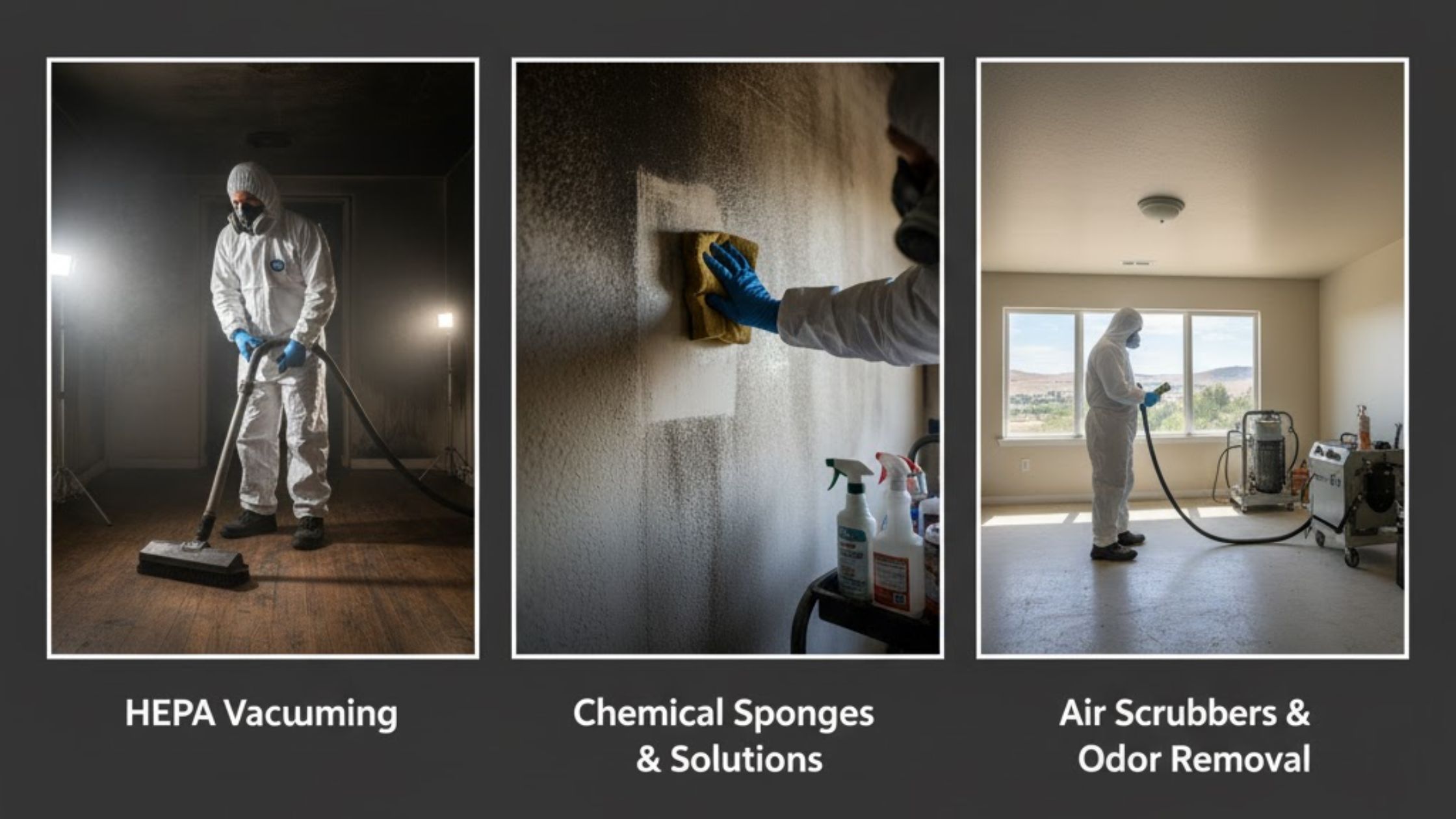
- Mold Prevention Measures Antimicrobial sprays and HEPA filtration systems inhibit biological growth while air quality tests ensure a healthy environment.
- Reconstruction and Repairs Damaged drywall, insulation, and flooring are replaced or repaired. Paint, trim, and fixtures are matched to the home’s original style.
By following this regimented approach, restoration teams deliver durable results that homeowners can confidently rely on.
Typical structural drying timeline in Boise restorations
Understanding the structural drying timeline helps homeowners plan around equipment occupancy and living arrangements. Though every job differs based on severity, substrate type, and environmental factors, the table below outlines average durations:
| Restoration Phase | Average Duration | Key Objective |
|---|---|---|
| Initial Water Extraction | 1–2 days | Remove bulk standing water |
| Preliminary Drying | 2–4 days | Lower humidity and begin moisture removal |
| Deep Structural Drying | 5–7 days | Achieve moisture equilibrium in building materials |
| Final Inspection & Testing | 1–2 days | Confirm dryness, air quality, and safety |
This structured timeline ensures each stage achieves measurable results before progressing, safeguarding the home against hidden moisture and microbial threats.
How structural drying timeline impacts restoration quality
Rushing the drying phase can leave residual moisture that triggers mold, odors, and further damage. Boise specialists adhere to established drying curves—charts that track moisture decline over time—to ensure materials reach equilibrium moisture content. By logging temperature, relative humidity, and moisture readings daily, technicians verify progress and recalibrate equipment if drying stalls. This scientific rigor transforms subjective judgments into data-driven decisions, giving homeowners peace of mind that restoration is complete and durable.
Why professional restoration process differs from DIY efforts
Many homeowners consider tackling minor water events themselves, but DIY efforts often fall short of professional standards. Without access to industrial-grade extraction pumps, air movers, and commercial dehumidifiers, lingering moisture pockets can remain undetected. Insufficient drying invites mold growth within 24–48 hours, putting occupants at risk for respiratory irritation and structural decline. Licensed restorers follow strict safety protocols, including contamination classification, containment barriers, and personal protective equipment, to deliver compliant, comprehensive results that homeowners can trust.
Key equipment and entities involved in restoration
Successful water restoration relies on a suite of specialized tools and skilled practitioners:
- Truck-mounted and portable extraction units
- High-capacity centrifugal air movers
- Refrigerant and desiccant dehumidifiers
- Thermal imaging cameras and moisture meters
- HEPA-filtered air scrubbers and antimicrobial treatments
Each entity—from initial responders to reconstruction craftsmen—works in concert under industry best practices and local building codes. Collaboration with plumbers, electricians, and insurance adjusters further streamlines recovery, ensuring every technical detail is addressed.
In many Boise homes, aging plumbing, concrete foundations, and variable soil conditions contribute to water intrusion. For a thorough approach to Water Damage Restoration Boise, homeowners often rely on advanced thermal imaging to uncover hidden moisture behind walls and under slab floors. Recognizing these unique regional challenges allows restoration teams to customize drying protocols and reconstruction plans, avoiding surprises during the rebuild phase.
What factors influence the restoration cost in Boise?
Several variables shape the final invoice for water damage restoration:
- Severity and category of water contamination
- Square footage affected and type of flooring or wall materials
- Accessibility challenges (crawlspaces, multiple stories)
- Content restoration requirements
- Mold testing and remediation needs
- Reconstruction scope (minor repairs vs. full rebuild)
Transparent companies provide detailed estimates that break down labor, equipment rental, material costs, and potential additional services—empowering homeowners to make informed decisions and secure accurate insurance reimbursements.
How can homeowners prepare for the restoration process?
Proactive steps ease disruption when restoration teams arrive:
- Document Damage Quickly: Photographs and videos support insurance claims.
- Secure Valuables: Move important documents, heirlooms, and electronics to a safe, dry location.
- Clear Access Paths: Remove obstructions to hallways, closets, and utility rooms.
- Coordinate with Insurer: Notify your carrier and share detailed restoration estimates.
- Arrange Temporary Housing if Needed: For extensive jobs, plan alternative lodging early.
These measures save time, reduce stress, and help restorers focus on critical tasks from day one.
What role does mold prevention play in the overall plan?
Mold can begin colonizing damp environments within 48 hours, making proactive prevention essential. Restoration experts use EPA-approved antimicrobial agents on structural elements and implement full-house air scrubbing to capture airborne spores. Negative-pressure containment prevents cross-contamination when mold is present. Post-restoration, technicians recommend regular humidity monitoring and air quality testing to detect early warning signs—maintaining a healthy living environment long after doors reopen.
How does the reconstruction phase restore Boise homes?
Once drying benchmarks are met, the reconstruction team steps in to rebuild affected areas. Common tasks include:
- Installing new drywall, insulation, and vapor barriers
- Refinishing hardwood floors or replacing damaged carpet
- Repairing or replacing baseboards, door casings, and trim
- Painting walls to match existing color schemes
- Reconnecting plumbing fixtures and electrical outlets
Quality restorers back all work with warranties, allowing homeowners to enjoy peace of mind and the visual cohesion of pre-loss interiors.
If urgent assistance is needed, homeowners should Contact us through our 24/7 hotline to schedule an immediate assessment. This direct line connects Boise residents with certified technicians who can mobilize extraction and drying crews in under an hour—minimizing damage and relocation times.
What certifications and standards guide Boise restorers?
Reputable companies align with industry benchmarks such as:
- IICRC S500 and S520: Standards for Water Damage and Mold Remediation
- ANSI/IICRC codes for equipment maintenance and technician training
- Local Boise building codes and state licensing requirements
Ongoing education and third-party audits ensure crews apply the latest safety protocols, environmental guidelines, and technological advancements for maximum efficiency and compliance.
How long should homeowners expect to be displaced?
Displacement durations vary by job complexity:
- Minor water events (single room, low moisture): 1–3 days
- Moderate incidents (multiple rooms, moderate saturation): 3–7 days
- Severe catastrophes (whole-house flooding, mold remediation): 7–14+ days
Clear communication from restoration managers helps families plan childcare, work commitments, and temporary lodging—transforming an unpredictable event into a manageable timeline.
Throughout each phase, Sawtooth Water Restoration specialists maintain transparent communication, providing daily updates on drying progress, equipment adjustments, and reconstruction schedules. This client-focused approach fosters trust and ensures homeowners remain informed partners from assessment through sign-off.
How do you know when restoration is truly complete?
Completion involves more than visual inspection. Technicians perform final moisture and humidity readings on walls, floors, and subfloors to confirm dryness targets are reached. Air quality tests measure particulate counts and microbial presence, validating mold prevention success. After walkthrough inspections and homeowner approvals, equipment is demobilized, and final invoices detail every service rendered—closing the loop on a meticulously documented, scientifically driven restoration.
What post-restoration maintenance should Boise homeowners follow?
To protect recent investments, experts recommend:
- Installing smart humidity sensors in basements and crawlspaces
- Cleaning HVAC drip pans and maintaining condensate lines
- Sealing cracks in foundations and slab floors
- Regularly inspecting plumbing fixtures and appliance connections
- Pruning vegetation away from home exteriors to improve drainage
Proactive maintenance extends the lifespan of repairs and prevents future emergencies.
FAQ
1. How long does the water damage restoration process take in a Boise home?
The timeline depends on the severity of the damage. Minor incidents can conclude in as little as 48 hours, while extensive floods or mold remediation may require one to two weeks to complete.
2. What does “category 2” and “category 3” water mean?
Category 2 (gray water) contains contaminants that could cause illness if ingested. Category 3 (black water) is highly unsanitary and can carry pathogens, requiring strict safety measures and specialized disposal.
3. Can homeowners handle water extraction and drying on their own?
DIY methods lack industrial-grade equipment and moisture-detection tools. Without professional intervention, hidden moisture often remains, leading to mold and structural damage.
4. Will my homeowner’s insurance cover the full cost?
Most policies cover restoration for sudden, accidental water damage. Coverage varies by provider and endorsement, so it’s critical to review policy limits, deductibles, and exclusions before work begins.
5. How soon after water damage should I call a restoration company?
Immediate action is vital. Ideally, homeowners should call within the first hour of discovering water intrusion to prevent secondary damage, mold growth, and escalating repair costs.
Final Words
Water damage restoration demands a blend of rapid response, technical expertise, and structured processes to safeguard Boise homes against lasting harm. By following the proven steps of damage assessment, water extraction and drying Boise, professional restoration process execution, and adherence to structural drying timeline guidelines, homeowners can reclaim their living spaces with confidence. For unparalleled service and local expertise, trust Sawtooth Water Restoration to restore, rebuild, and renew every corner of your Boise residence.